A Practical Guide to Stainless Steel Fasteners
Which Stainless Grade to Use
Grade 304 is the general purpose choice. It resists food processing, fresh water and most architectural environments.
Grade 316 adds molybdenum for chloride resistance, so it is the standard for coastal sites, marine hardware and chemical plant.
Grade 316L is the low-carbon variant, used where parts are welded and where intergranular corrosion would otherwise be a risk.
Strength Compared with Carbon Steel
Austenitic stainless is ductile rather than extremely strong. A2-70 stainless bolts reach roughly 700 MPa tensile strength, which is below class 10.9 carbon steel.
Where a stainless bolt replaces a high grade carbon bolt, check the joint design rather than assuming the same preload is available.
Preventing Galling
Stainless threads can seize when tightened dry, a failure called galling. The surface tears and the nut welds itself to the bolt.
Use an anti-seize lubricant, choose a nut in a different grade, or specify a coated stainless thread. Slower tightening also helps.
Matching Bolts, Nuts and Washers
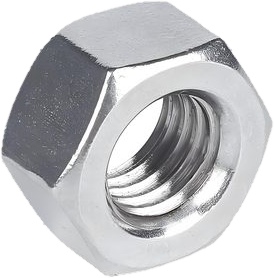
Use the same grade family for bolt, nut and washer so the assembly corrodes evenly.
Avoid pairing stainless with galvanized components in a wet environment, because the galvanized part becomes the sacrificial anode and corrodes quickly.
Need Help Choosing the Right Fastener?
Tell us the standard, size, grade and finish you need and our team will come back with a price and lead time, usually within 24 hours.