Hot-Dip Galvanized vs Zinc Plated Fasteners
How the Two Coating Processes Differ
Zinc plating is an electroplating process. The part is dipped in a zinc solution and a thin layer, usually 5 to 15 micrometres, is deposited at low temperature.
Hot-dip galvanizing dips the part into molten zinc at about 450 degrees Celsius. The reaction forms a zinc-iron alloy layer, typically 45 to 85 micrometres thick, that is metallurgically bonded to the steel.
Coating Thickness and Service Life
Because the galvanized layer is several times thicker, it corrodes several times more slowly. In a rural atmosphere a hot-dip coating can protect steel for 25 to 50 years.
Zinc plating is usually measured in a few years outdoors, and much longer indoors where the humidity is controlled.
Thread Fit and Assembly
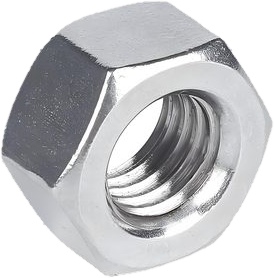
A hot-dip coating adds material to the thread, so galvanized bolts and nuts are made with an oversize thread allowance and must be assembled as a matched set.
Plated fasteners keep the standard thread tolerance and can be replaced individually, which matters for maintenance and for automated assembly.
Choosing the Right Finish
Outdoor structures, poles, guardrails, marine and agricultural equipment point to hot-dip galvanizing.
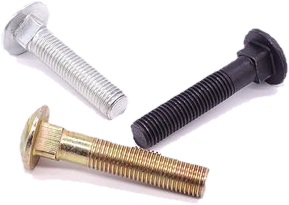
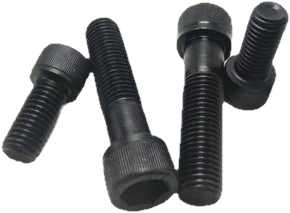
Indoor machinery, furniture, electronics and automotive interiors are usually zinc plated, often with a yellow or black passivation.
For severe chemical exposure, stainless steel or a coating such as Dacromet is a better answer than either.
Need Help Choosing the Right Fastener?
Tell us the standard, size, grade and finish you need and our team will come back with a price and lead time, usually within 24 hours.